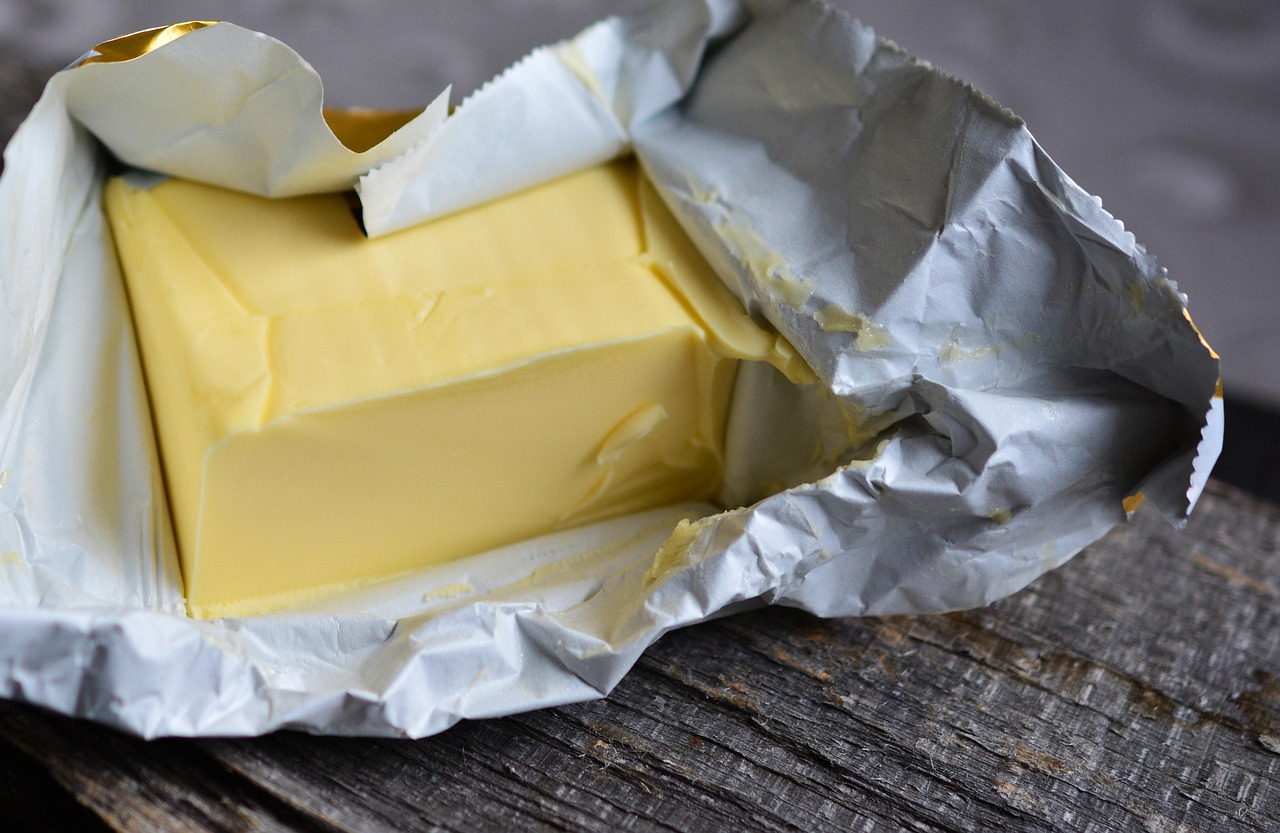
Butter is a fundamental ingredient of French Baking and French gastronomy in general. The French love their cows, and they love their butters. They’re used in sauces, flaky pastries, buttery brioches, or just slabbed right on top of a piece of fresh baguette. The higher the quality, the more delightful the butter + baguette combo; the same goes for butter used in French baking.
Knowing and using the right ingredients in French baking can improve your results more than perfecting certain techniques might. In this guide, you’ll learn why butter matters, the different types available, and how to choose the best butter for your baking.
Butter is the signature characteristic that make French pastries so enjoyable.
Unlike some ingredients that play a supporting role in flavor and texture, butter is often the star of French baking recipes, providing flavor, richness, gooeyness, and general love and happiness.
How Butter Affects Your Baking
Flavor
A high-quality butter will provide a richer and more complex flavor as opposed to lower-quality alternatives.
This does not necessarily mean to seek out the most expensive butter you can find, but rather to avoid the cheapest. Your French pastries will thank you for it.
Moisture
Butter contributes to the softness and the moist texture in many baked goods. Considering pastries are often served at a chill, or room temperature, the butter looses firmness and provides a softer bite.
Structure
In laminated doughs and pastries (like croissants), butter creates layer to separate the dough and helps define the final texture and that iconic crisp all bakers yearn for in their croissants.
Salted vs Unsalted Butter
Now this is a common question for beginners.
Unsalted Butter
The preferred choice for most French baking recipes because it allows you to control the amount of salt to add to the recipe.
Best used for:
- Brioche
- Madeleines
- Crêpes
- Pastry cream
- Cakes
- Many more
Salted Butter
Salted butter can still be used in some recipes, but the varying salt content may affect the final results in an unanticipated manner.
Best for:
- Spreading on toast or bread
- Finishing baked goods with a generous layer
- General cooking
European-Style Butter vs Regular Butter
European-style butter contains a higher percentage of butterfat than standard American butter (the French feed their cows, generously). This often results in richer flavor and improved texture in pastries and baked goods which can be difficult to replicate without European butter.
Common Characteristics
- Richer flavor
- Creamier texture,
- Higher fat content
- Lower water content (because butter is indeed wet)
When Better Butter Makes the Biggest Difference
The good news is not every recipe requires premium butter, so there’s no need to max out the credit card on butter at every baking opportunity or desire.
Oftentimes, you’ll notice the greatest difference in recipes such as:
- Brioche
- Madeleines
- Pastry Cream
- Shortbread and Butter Cookies
Common Butter Mistakes in French Baking
Using Cold Butter When the Recipe Calls for Softened Butter, or vice versa
Temperature matters in French baking. There will always be a reason for the texture of butter that the recipe asks for, whether it is to be creamed with sugar, or to lower the temperature of brioche dough while kneading. Whatever you do, stick to the temperature that is indicated on the recipe.
Melting Butter Instead of Softening It.
Melted butter behaves different from softened butter and can alter the recipe. Note that once butter is melted, it’ll never return to its original texture and composition.
How to Store Butter
Store butter in your fridge, ideally well wrapped to protect it from strong odors that may be trotting around.
Frequently Asked Questions
Can I Use Salted Butter?
Yes, you can, although most baking recipes are designed for unsalted butter. In the case where you have no choice, use salted butter and omit any salt that is added to the recipe.
Does Expensive Butter Matter?
Yes and no. Recipes in which butter shines, likes creams and brioches, will benefit from more expensive butter. Other recipes in which other flavors steal the show, like chocolate brownies, or coffee cakes, a less expensive butter will yield great results as well.
Can Butter Be Frozen?
Yes! Butter freezes well and can be stored for several months.
Final Thoughts
Understanding butter is a simple way to elevate your French baking. Choose the right butter, use it correctly, and you’ll be achieving finer flavors, textures, and consistencies in various recipes.
Remember, technique is important, but French baking is above all the art of natural and high quality ingredients; and a good butter can make all the difference.